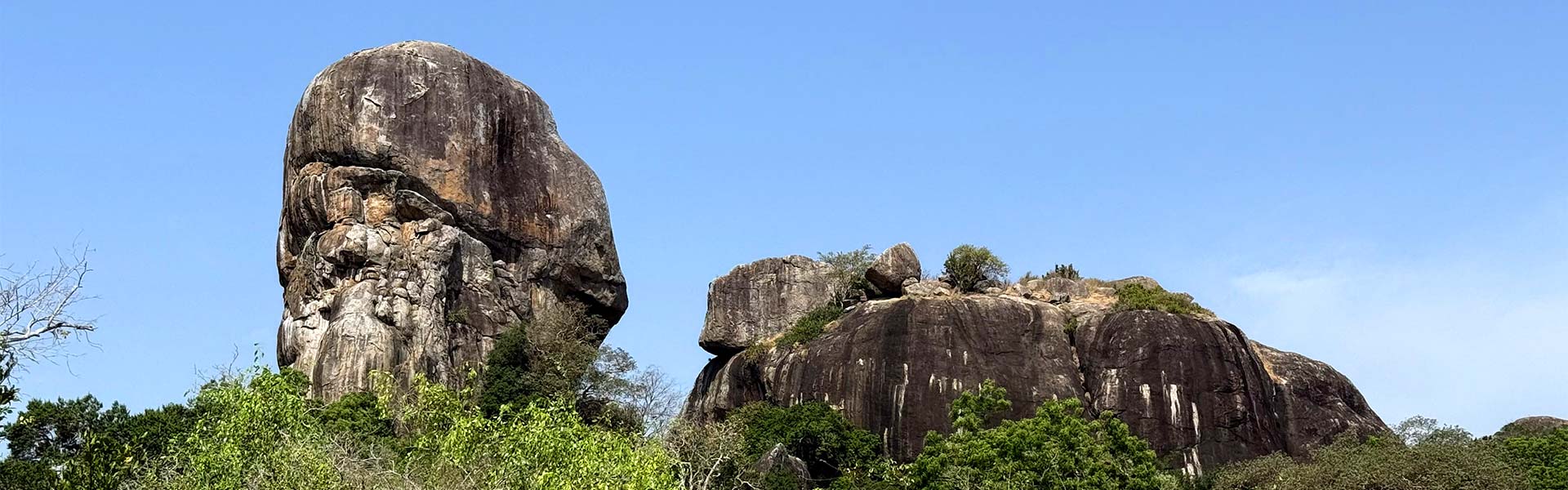
Welcome to the untamed Sri Lanka! Yala National Park Sri Lanka stands as the country’s crown jewel of wildlife conservation, offering tourists an unsurpassable safari experience that is rivaled by Africa’s most famous game reserves. This 979-square-kilometer sanctuary boasts the world’s highest densest concentration of leopards, Panthera Pardus Kotiya, accompanied by Asian elephants, sloth bears, and over 215 bird species. From its diverse landscapes of dry forests, grasslands, coastal lagoons, and golden beaches to its rich biodiversity that has earned international acclaim, Yala promises an adventure that will leave you breathless and create memories to last a lifetime.
How to Get to Yala National Park
From Colombo
The journey from Sri Lanka’s capital to Yala National Park covers approximately 300 kilometers and offers several transportation options to suit different budgets and preferences.
By Private Car or Taxi, The most comfortable option takes 4-5 hours via the Southern Expressway. Many visitors hire a car with a driver for the entire trip, which typically costs between $80-120 depending on the vehicle type. This option provides flexibility to stop at scenic viewpoints and attractions along the way.
By Bus for budget travelers can take a direct bus from Colombo to Tissamaharama, the gateway town to Yala. The journey takes 6-7 hours and costs around $10-15. From Tissamaharama, local tuk-tuks or buses can take you to the park entrance for an additional $5-10.
By Train and Bus Combination, Take a train from Fort Railway Station to Matara (enjoying coastal views), then catch a bus to Tissamaharama. This scenic route takes 7-8 hours total but offers a more authentic local experience.
From Popular Tourist Destinations
From Ella – The picturesque hill town is 90 kilometers from Yala. Options include
- Private transfer (2.5-3 hours, $50-70)
- Local bus via Wellawaya (3-4 hours, $5-10)
- Organized day trips with safari included ($80-120)
From Mirissa or Galle – These coastal towns are 150-160 kilometers away –
- Private car (3-4 hours, $60-80)
- Bus connections via Matara (4-5 hours, $10-15)
From Nuwara Eliya – The journey through the highlands takes 4-5 hours by car, passing through stunning tea plantations and mountain scenery. The train to Ella followed by road transport is a popular scenic option.
Park Entrances
Yala has multiple entrance gates, with Palatupana being the main and busiest entrance, especially for Block 1. The Katagamuwa entrance offers less crowded access to Blocks 1 and 2, while Galge entrance leads to the quieter Blocks 3 and 5.
Best Time to Visit Yala National Park
Peak Wildlife Viewing Season (February to June)
The dry season from February to June offers optimal conditions for wildlife spotting. During these months, water levels in the park drop significantly, concentrating animals around remaining water holes. This period provides –
- Highest leopard sighting probability – February and March are particularly renowned for leopard encounters
- Clear visibility – Sparse vegetation makes spotting easier
- Pleasant morning temperatures – Ideal for early safaris
- Predictable weather – Minimal rainfall ensures uninterrupted safari experiences
Excellent Alternative Periods
May to August – While May and June see fewer tourists, wildlife viewing remains exceptional. The park’s famous Palu trees bear fruit during this time, attracting sloth bears in greater numbers. Temperatures range from 30-36°C, creating ideal conditions for animals gathering at water sources.
After the park’s September-October closure for rejuvenation, November offers a perfect balance of renewed greenery, relaxed wildlife after the rest period, and lower visitor numbers. This month provides excellent opportunities for both wildlife photography and peaceful exploration.
Seasonal Considerations
December to April, Peak tourist season brings larger crowds but consistently good wildlife sightings. Book accommodations and safaris well in advance during this period.
October to January – The northeast monsoon brings occasional rainfall, creating lush landscapes and attracting migratory birds from Central Asia and the Himalayas. While some areas may be muddy or closed, this season offers unique bird-watching opportunities.
September Closure – Block 1 typically closes for 30-60 days during September-October for ecological restoration. Other blocks remain open, offering alternative safari experiences.
Weather Patterns
Yala experiences a relatively stable tropical climate with temperatures rarely dropping below 26°C. The park receives rainfall primarily from the northeast monsoon (October-December) with some additional showers in April. The driest months (May-September) offer the most reliable conditions for wildlife viewing.
Tips for Visiting Yala National Park
Park Rules and Etiquette
Respect Wildlife Distance – Maintain at least 20 meters from all animals. Never attempt to feed, touch, or provoke wildlife. Your guide will position the vehicle for optimal viewing while ensuring animal welfare.
Noise Discipline – Keep voices low and avoid sudden movements. Turn phones to silent mode. Excessive noise disturbs animals and reduces sighting opportunities for everyone.
Stay in Your Vehicle – Never exit the safari jeep except at designated areas. This rule ensures both your safety and minimal disturbance to the ecosystem.
No Littering – Carry all waste back with you. Even biodegradable items can harm wildlife if consumed.
Photography Ethics – Avoid using flash photography, especially with nocturnal animals. Respect your guide’s instructions about photography limitations in sensitive situations.
Essential Clothing
Early Morning Safaris – Bring a light jacket or sweater as temperatures can be surprisingly cool before sunrise. Layer with a t-shirt underneath for when temperatures rise.
Neutral Colors – Wear khaki, brown, green, or other earth tones. Avoid bright colors (especially white and red) that might startle animals.
Comfortable Fabrics – Choose breathable, quick-dry materials. Long sleeves and pants protect against sun and insects while remaining cool.
Footwear – Closed, comfortable shoes are essential. Avoid sandals due to dust and potential insect bites.
Sun Protection – Wide-brimmed hat and sunglasses are crucial. Even in covered jeeps, sun exposure can be significant.
Is Yala safari better in the morning or afternoon?
Both morning and afternoon safaris offer unique advantages, and many experienced guides suggest there’s no definitively “better” time. However, each has distinct characteristics –
Morning Safaris (6 – 00 AM – 10 – 00 AM)
- Cooler temperatures make animals more active
- Animals haven’t been disrupted by jeeps yet
- Better for bird watching as avian species are most active
- Requires very early wake-up (4 – 30 AM departure)
- First two hours typically yield most sightings
Afternoon Safaris (2 – 00 PM – 6 – 00 PM)
- Animals like leopards, sloth bears, and jackals become more active in the cooler temperatures of late afternoon
- The “golden hour” lighting creates magical atmosphere for photography
- Research shows afternoon safaris give the best chance of seeing elusive wildlife, including leopards
- More relaxed departure time
- Spectacular sunset views within the park
- Many visitors opt for both morning and afternoon safaris to maximize wildlife encounters, as animal behavior varies throughout the day.
Your Yala Adventure Awaits with Nyne Hotels
Yala National Park stands as a testament to Sri Lanka’s incredible natural heritage, offering visitors an unforgettable journey into one of Asia’s most biodiverse wilderness areas. From the thrill of spotting a leopard lounging on a rocky outcrop to watching elephant families gather at ancient water holes, every moment in Yala creates lasting memories.
For the ultimate Yala experience, choosing the right accommodation can transform your safari adventure from memorable to extraordinary. Nyne Hotels offers exceptional properties that perfectly complement your wildlife exploration, combining luxury comfort with strategic locations near the park.
Our carefully curated collection provides –
- Expert Safari Planning – Our villa guardian arranges good quality private jeeps with the most experienced naturalists and rangers ( upon special request).
- Luxury Amenities – Relax in style after dusty safari adventures
- Authentic Experiences – Enjoy traditional Sri Lankan hospitality and cuisine
- Sustainable Tourism – Supporting local communities and conservation efforts
Whether you’re seeking a romantic wilderness retreat, a family adventure base, or a photographer’s paradise, Nyne Hotels ensures your Yala National Park experience exceeds every expectation. Visit our website to explore our properties near Yala, browse our specially designed safari accommodation packages, or contact our team to plan your perfect wildlife adventure.
Book your stay across Sri Lanka with the Nyne Hotels collection and let us be your gateway to the wonders of Yala National Park – and beyond where luxury meets wild, and every sunrise promises new adventures.
Ready to embark on your Yala safari adventure? Contact Nyne Hotels +94 77 796 6252 today to plan your perfect wildlife escape in Sri Lanka’s most famous national park.